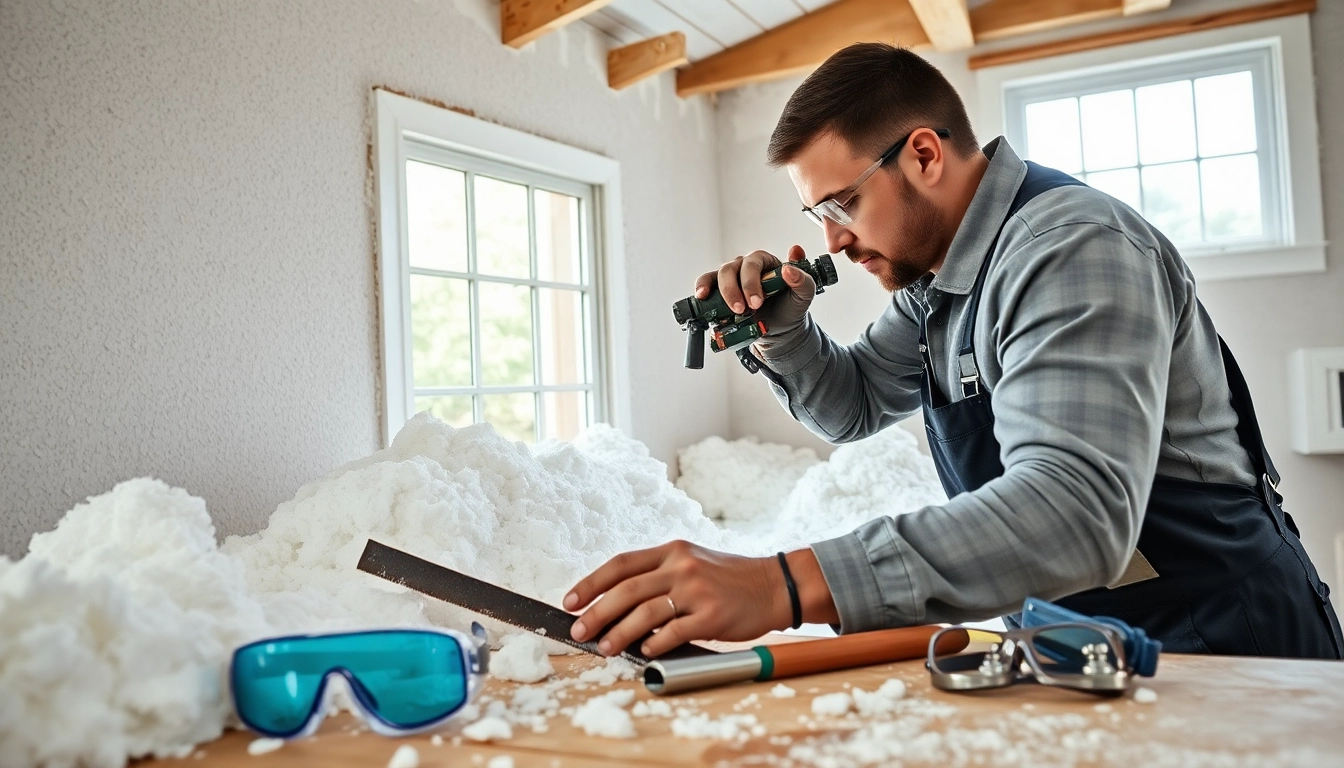

Understanding Carpet Installation Services
When it comes to enhancing the aesthetic and comfort of your home, choosing the right carpet installation service is crucial. Not only does the quality of the carpet matter, but so does the expertise of the fitters. Engaging professional carpet fitters near me ensures that the installation process is seamless, adhering to industry standards and providing long-lasting results. This article delves into the complexities of carpet installation, exploring what you can expect from professionals, the types of installations available, and the benefits of hiring qualified specialists.
What to Expect from Professional Carpet Fitters Near Me
When hiring professional carpet fitters, you should anticipate a range of services designed to make the installation process efficient and hassle-free. These include:
- Consultation: Professionals often provide an initial consultation to discuss your preferences and needs, including carpet type and style.
- Measurement: Accurate measurements of your space to ensure a perfect fit for your chosen carpet.
- Preparation: Preparing the floor surface, which may involve cleaning, leveling, or repairing any imperfections to guarantee optimal installation.
- Installation: The actual fitting of the carpet, which includes laying padding and securing the carpet properly to avoid wrinkles and lumps.
- Post-installation Care: Guidance on maintaining your new carpet and potential follow-up services to ensure longevity.
Common Types of Carpet Installations
There are various types of carpet installation methods that professionals may use, depending on the carpet type and the specific requirements of your home:
- Glue-Down Installation: Ideal for commercial spaces or high-traffic areas where durability is essential. The carpet is glued directly to the floor, providing a stable and secure fit.
- Stretch-in Installation: This method uses a tack strip around the room’s perimeter, allowing the carpet to be stretched over padding and secured in place. It’s popular in residential settings for its comfort and ease of removal.
- Tile Installation: Carpet tiles are versatile and can be arranged in various patterns. This method is excellent for spaces where maintenance or replacement of individual sections may be necessary.
Benefits of Hiring Qualified Professionals
While DIY carpet installation may seem tempting, hiring qualified professionals offers numerous advantages:
- Expertise: Professionals are trained to handle different types of carpets and can navigate unexpected challenges during installation.
- Time Efficiency: Experienced fitters can complete the job in a fraction of the time it may take an inexperienced person.
- Warranty Protection: Many professional services offer warranties on both labor and materials, giving you peace of mind.
- Quality Assurance: Professionals ensure that the carpet is installed correctly, preventing common issues such as bubbling or uneven seams.
Choosing the Right Carpet for Your Home
Selecting the right carpet is as important as the installation process itself. The right choice can enhance your home’s interior, increase comfort, and provide a welcoming atmosphere.
Factors to Consider When Selecting Carpet
When choosing carpet, consider the following factors:
- Room Usage: High-traffic areas may require more durable carpets, while softer options may be suitable for bedrooms.
- Color and Style: The color, pattern, and texture should complement your existing decor and personal style.
- Maintenance Requirements: Some materials require more upkeep than others, so consider how much time you’re willing to spend on cleaning.
Exploring Different Carpet Materials
Understanding the various carpet materials available can help you make an informed decision:
- Nylon: Known for its durability and stain resistance, making it ideal for families with pets or children.
- Polyester: Offers a wide range of colors and patterns, known for its softness and budget-friendly price.
- Wool: A natural fiber that’s luxurious, durable, and eco-friendly, although often at a higher price point.
- Olefin: Excellent for outdoor use due to its moisture resistance, making it a popular choice for areas like basements.
How to Match Carpet with Your Interior Design
For a cohesive look, consider how your carpet choice fits with your overall interior design:
- Complementary Colors: Use a color wheel to find shades that work well with your existing color palette.
- Patterns and Textures: Mixing patterns can add depth to your space; just ensure they harmonize rather than clash.
- Room Functionality: Consider how the carpet will affect the room’s mood—softer textures can create coziness in a living room, while low-pile options might be better for a home office.
The Carpet Installation Process Explained
Understanding the installation process can help you prepare for a smoother experience and set realistic expectations.
Step-by-Step Guide to Carpet Installation
The carpet installation process typically follows these steps:
- Preparation: The area is cleared, cleaned, and any necessary repairs to the subfloor are made.
- Measuring: Accurate measurements are taken to ensure the right amount of carpet is purchased.
- Padding Installation: Carpet padding is laid down to provide cushioning and extend the carpet’s life.
- Carpet Laying: The carpet is rolled out, cut to fit, and secured in place.
- Finishing Touches: Trimming edges, securing seams, and ensuring everything is installed to perfection.
Tools and Techniques Used by Professionals
Professional fitters come equipped with specialized tools to ensure precision and quality. These include:
- Carpet Knife: For cutting carpet to fit specific dimensions.
- Tack Strips: Used to hold the carpet in place along the room’s perimeter.
- Stretching Tools: Help to ensure the carpet is fitted snugly without wrinkles.
- Seaming Tools: For joining pieces of carpet securely and seamlessly.
Common Mistakes to Avoid During Installation
To prevent costly errors during installation, keep an eye out for these common mistakes:
- Inaccurate Measurements: This can lead to insufficient carpet and wasted materials.
- Poor Floor Preparation: Ignoring the condition of the subfloor can result in a subpar installation.
- Neglecting the Padding: Skipping padding can decrease the carpet’s lifespan and comfort.
Costs Associated with Carpet Installation
Understanding the costs involved in carpet installation is vital for budget planning and comparison shopping.
Understanding Pricing Structures for Carpet Fitting
Carpet installation pricing can vary widely based on several factors, including:
- Type of Carpet: Natural fibers tend to be pricier than synthetic materials.
- Labor Costs: Typically calculated per square foot, labor can add significantly to your total cost.
- Geographical Location: Prices may vary based on your local cost of living and demand for services.
Factors Influencing Installation Costs
Here are key elements that can influence the overall installation cost:
- Room Size: Larger spaces require more materials and time, increasing costs.
- Subfloor Condition: Repairs or modifications to the subfloor will add to the overall expense.
- Add-Ons: Additional services, such as removing old carpeting or installing custom features, will incur extra charges.
Budgeting for Your Carpet Project
When budgeting for your carpet installation, consider the following:
- Get Multiple Quotes: This can give you a better understanding of fair market pricing.
- Plan for Extras: Always set aside a portion of your budget for unexpected expenses.
- Evaluate Long-Term Costs: Investing in higher quality materials may save money on maintenance and replacement in the long run.
Maintaining Your Carpet Post-Installation
Proper maintenance is essential to extend the life of your new carpet and keep it looking its best.
Best Practices for Carpet Care
Follow these best practices to ensure your carpet stays in excellent condition:
- Regular Vacuuming: This removes dirt and debris that can wear down fibers over time.
- Spot Cleaning: Treat stains promptly with appropriate cleaners to prevent permanent damage.
- Professional Cleaning: Schedule deep cleanings every 12-18 months to refresh the fibers.
When to Schedule Professional Cleanings
Knowing when to call in the pros can help maintain your carpet’s appearance:
- Post-Move-In: A deep clean can remove any residual dirt from the previous occupants.
- After Major Events: If your home hosted a party, it’s wise to schedule a professional cleaning.
- Visible Wear: If your carpet looks dated or worn, a professional clean may restore its original luster.
Tips for Extending the Life of Your Carpet
To maximize your carpet’s lifespan, consider implementing the following strategies:
- Use Mats: Place mats at entrances to reduce dirt and moisture tracked onto the carpet.
- Rotate Furniture: Adjusting furniture placement can prevent uneven wear on your carpet.
- Manage Humidity Levels: Use humidifiers or dehumidifiers to maintain optimal indoor humidity, which can protect carpet fibers.
What Are the Average Costs of Professional Carpet Installation?
The average cost of professional carpet installation typically ranges from $1 to $3 per square foot for labor alone, with materials adding additional costs based on the type and quality of carpet selected.
How Can I Choose the Right Carpet Material for My Home?
Take into account factors such as foot traffic, personal style, and maintenance preferences when selecting the right carpet material to suit your needs.
What Qualifications Should I Look for in Carpet Fitters?
Seek fitters with proper certifications, positive reviews, and a solid track record of experience in carpet installation to ensure quality workmanship.
How Long Does the Carpet Installation Process Take?
Typically, carpet installation can take anywhere from a few hours to a full day, depending on the size of the area and the complexity of the job.
What Are Common Carpet Maintenance Tips?
Regular vacuuming, immediate stain treatment, and attending to any necessary repairs promptly can significantly extend the life and look of your carpet.