Understanding Spray Foam Removal
What is Spray Foam?
Spray foam is a versatile insulation material created by mixing two components—polyurethane and an isocyanate—at high pressure. It is most commonly used for insulating homes and commercial buildings, as it expands upon application, creating an effective air barrier. Its excellent insulating properties and energy efficiency benefits have made it popular among builders and homeowners alike. However, when it deteriorates or is applied improperly, removing spray foam can become a daunting task. Understanding the removal process is essential for maintaining the integrity of your property. For comprehensive spray foam removal advice, it’s important to know the potential challenges involved.
Common Problems Leading to Removal
Several issues may necessitate the removal of spray foam insulation. Common reasons include:
- Moisture Damage: If the spray foam becomes wet, it can lose its insulating properties and promote mold growth.
- Improper Installation: Poor application can result in gaps, creating thermal inefficiency.
- Structural Damage: In some cases, spray foam may be applied over damaged surfaces, masking underlying issues that need attention.
- Health Concerns: As spray foam ages, it can off-gas chemicals that may pose health risks, necessitating removal.
Each of these conditions can lead to a complex removal process that must be approached with care.
Safety Precautions During Removal
Removing spray foam insulation can pose health risks due to the chemicals involved and the physical nature of the work. Essential safety precautions include:
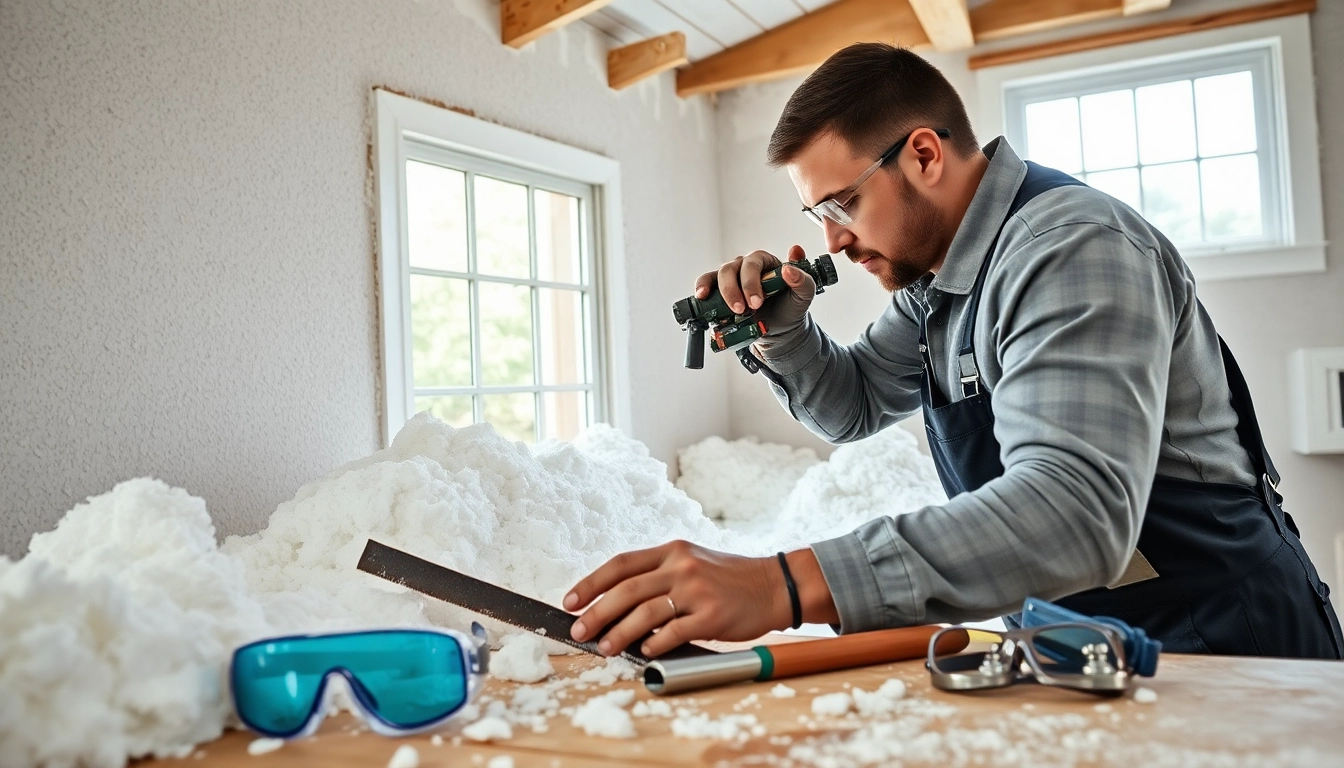
- Personal Protective Equipment (PPE): Wear gloves, goggles, and a respirator to protect against dust and chemical exposure.
- Ventilation: Ensure adequate airflow in the workspace to minimize inhalation of fumes.
- Proper Training: If unfamiliar with removal techniques or tools, consider hiring a professional to avoid accidents.
Taking these safety measures helps ensure a safe removal process.
Tools and Materials Needed
Essential Tools for Effective Removal
The right tools are crucial for effective spray foam removal. Essential tools include:
- Utility Knife: Useful for cutting the foam away from surfaces.
- Foam Saw: Designed specifically for cutting through thicker foam applications.
- Heat Gun: Can be used to soften foam, making it easier to remove.
- Scrapers: Handy for peeling away foam remnants and smoothing surfaces afterward.
Recommended Materials to Use
In addition to tools, having the right materials will facilitate the removal process:
- Commercial Foam Remover: Specialized chemicals can help dissolve the adhesive properties of spray foam.
- Face Masks and Gloves: Disposable masks and gloves can protect against dust and chemicals.
- Tarps or Drop Cloths: Protect floors and furniture from debris during the removal process.
Choosing the Right Equipment
Choosing the right equipment is paramount for ensuring efficiency and effectiveness. Considerations include:
- Foam Thickness: Assess the thickness of the foam to select the appropriate cutting tools.
- Access to Areas: Ensure tools can reach all areas where spray foam needs to be removed, especially tight spaces.
- Power Source: For electric tools, ensure there are accessible power outlets.
Step-by-Step Spray Foam Removal Process
Preparing the Area for Removal
Before beginning the removal, preparation is key to facilitating the process:
- Clear the Area: Remove any furniture or obstructions to provide ample workspace.
- Turn Off Electricity: Ensure any electrical outlets in the vicinity are powered down to prevent accidents.
- Cover Exposed Surfaces: Use tarps or drop cloths to catch debris and protect surrounding areas.
Executing the Removal Technique
Once the area is prepared, execute the removal using the following steps:
- Begin Cutting: Use a utility knife or foam saw to carefully cut into the foam, starting at the edges.
- Remove Sections Gradually: Work through the foam layer by layer, using scrapers as necessary to detach it from surfaces.
- Use Heat as Needed: If foam proves difficult to remove, a heat gun can soften the material, making it easier to detach.
- Dispose of Waste Properly: Gather all removed foam and dispose of it in accordance with local waste regulations.
Cleaning Up After Removal
After the spray foam is removed, it’s essential to thoroughly clean the area:
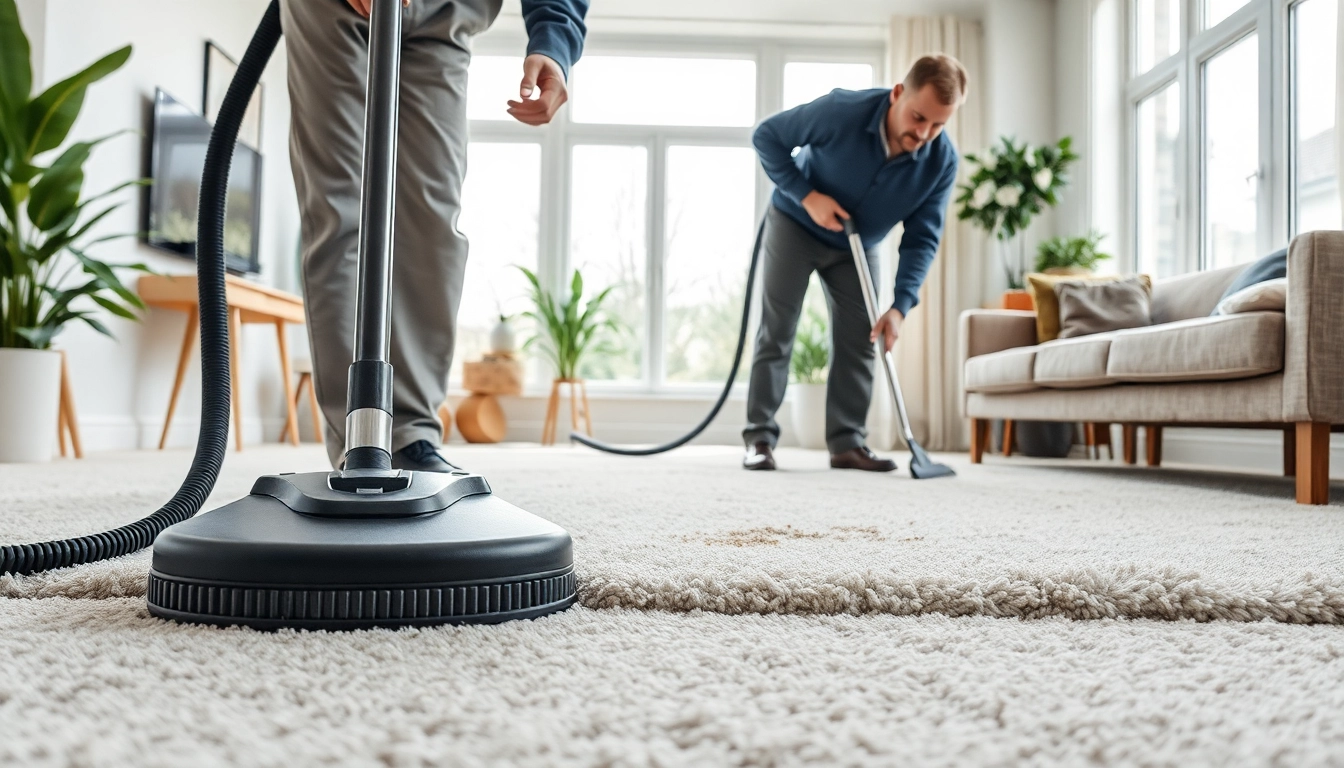
- Vacuum the Area: Use a vacuum equipped to handle dust and small particles from the foam.
- Wipe Down Surfaces: Use a damp cloth to clean any remaining residue from walls or floors.
- Inspect for Damage: Check the integrity of surfaces where foam was applied for any additional repairs needed.
Post-Removal Considerations
Inspecting for Residual Foam
After removal, it’s vital to inspect for any foam residue. Look closely for small clumps or particles that may need additional attention. If found, utilize scrapers or commercial removers to address these spots to avoid complications later.
Sealing and Repairing Areas
Once all foam is removed, repair any damage caused by the foam or removal tools. This may include filling holes or cracks, repatching drywall, or repainting affected areas to restore their original finish.
Alternative Solutions After Removal
After removing spray foam, consider alternative insulation options based on your needs:
- Fiberglass Insulation: A common alternative, offering good insulation properties and ease of installation.
- Cellulose Insulation: Made from recycled paper, it’s an eco-friendly option with decent R-values.
- Mineral Wool: Resistant to fire and moisture, ideal for areas with high humidity.
Frequently Asked Questions
What is the best method for spray foam removal?
The best method combines cutting with specialized chemicals for effective removal without damaging underlying surfaces.
Are there any health risks associated with spray foam?
Yes, old spray foam may release harmful chemicals; proper safety measures should be taken during removal.
Can I remove spray foam myself, or should I hire a professional?
While DIY removal is possible, hiring a professional ensures safety and proper handling of the materials.
How long does the removal process usually take?
The duration varies, often ranging from a few hours to a couple of days, depending on the foam amount and method used.
What do I do if foam residue remains?
If residue is left behind, use scrapers or commercial foam removers to clean the area thoroughly and completely.