Understanding Spray Foam Removal Hampshire
What is Spray Foam Insulation?
Spray foam insulation is a versatile and effective insulating material made from a mixture of chemicals that, when combined, expand and harden into a solid form. This form is excellent for filling gaps, crevices, and spaces, providing superior thermal resistance and an air-tight seal against moisture and drafts. Many homeowners in Hampshire have utilized spray foam due to its efficiency, energy-saving properties, and ease of application. However, despite its benefits, there are instances when its removal becomes necessary, prompting the need for a thorough understanding of spray foam removal Hampshire.
Common Challenges in Spray Foam Removal
Removing spray foam insulation can pose various challenges. Firstly, the adhesive properties of spray foam make it difficult to detach from surfaces without damaging them. The removal process may generate toxic fumes, requiring careful handling and protective measures. Furthermore, assessing the extent of insulation needs to be conducted diligently to avoid leaving remnants behind, which can lead to mold growth and air quality issues. Finally, the costs involved in professional removal services can vary widely, creating uncertainty for homeowners.
Why Choose Professional Removal Services?
While DIY removal might seem cost-effective, professional services offer expertise, safety, and efficiency. Trained professionals understand the chemical properties of spray foam and utilize specialized tools that minimize damage to underlying structures. They can also ensure compliance with safety regulations, minimizing health risks associated with exposure to residues and chemicals. Engaging a professional service guarantees a thorough job, allowing homeowners peace of mind that the insulation is removed correctly and safely.
Preparation for Spray Foam Removal Hampshire
Inspecting the Area Before Removal
Before commencing the removal, a comprehensive inspection of the area is necessary. Identify any visible signs of damage caused by moisture or mold, which may necessitate additional repairs. Understanding where the spray foam is located will help in planning the removal process effectively. A detailed assessment can also reveal whether there are any hazards, such as electrical wiring or plumbing, that may interfere with removal efforts.
Gathering Necessary Tools and Safety Gear
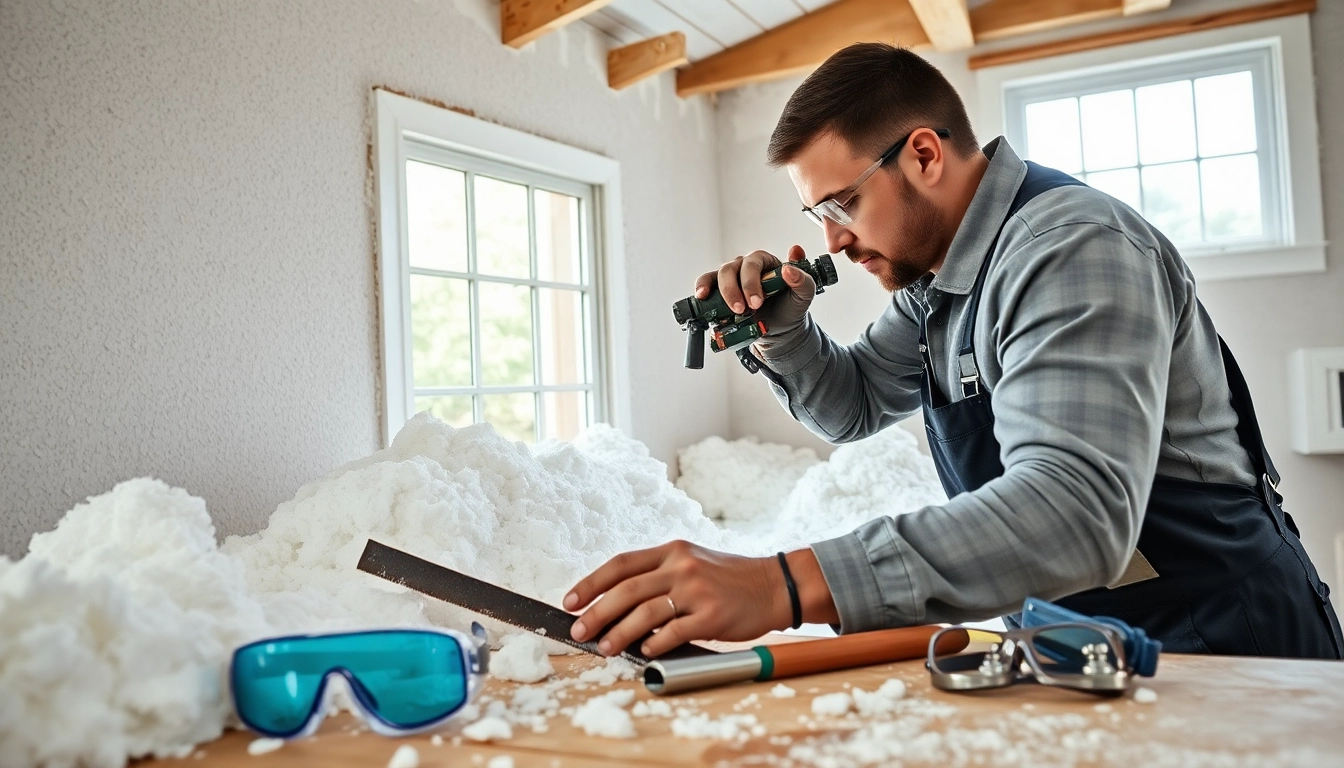
Preparation includes gathering the right tools and safety gear. Required tools often include a heat gun, a pry bar, utility knives, and solvent for adhesive removal. Personal Protective Equipment (PPE) is crucial, consisting of gloves, goggles, masks to avoid inhaling dust and chemicals, and protective covering for clothing to prevent irritation. Ensuring you have the right tools and safety equipment is pivotal to an efficient and safe removal process.
Setting Up a Safe Work Environment
Establishing a safe working environment will significantly reduce risks associated with spray foam removal. This involves ensuring adequate ventilation to disperse any harmful fumes. Securing the area by cordoning off unaffected spaces will prevent accidental exposure to bystanders and pets. It’s also essential to keep a first aid kit accessible and have emergency contacts readily available in case of unforeseen circumstances.
Step-by-Step Guide to Spray Foam Removal Hampshire
Initial Assessment and Planning
The removal process begins with an initial assessment. Determine the amount of spray foam to be removed and assess the structure beneath. Planning involves deciding whether to remove all of the spray foam or just specific sections. This decision can depend on the age and condition of the insulation as well as any ongoing issues, such as leaks or drafts, that may require focused attention.
Application of Removal Techniques
Various techniques can be employed during the removal of spray foam. Mechanical methods involve physically scraping or peeling off the insulation, while chemical methods use solvents to dissolve the foam. Heat application can also soften rigid foam for easier removal. Whichever technique is selected, careful attention must be paid to not damage the underlying surfaces or materials. The use of a decaying approach helps mitigate contamination issues and improve cleanup efficiency.
Post-Removal Cleanup Procedures
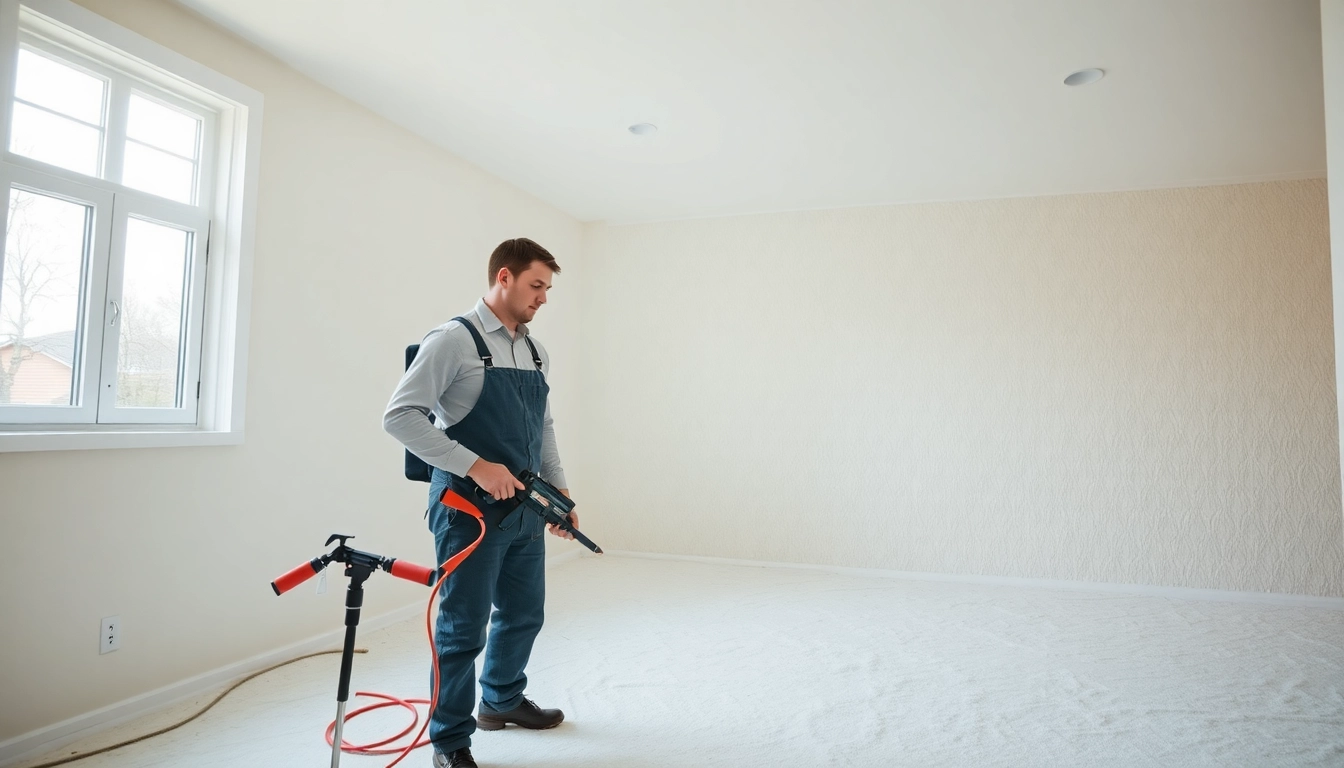
After removing the insulation, cleanup is critical. This includes disposing of the removed foam properly and cleaning surfaces to eliminate any residue. A thorough vacuum should be used to capture loose particles and prevent future air quality issues. It’s also a good idea to assess the structural condition for any damages that may need repairs or further attention before new insulation is installed.
Aftercare and Maintenance Post-Removal
Inspecting the Space for Residual Chemicals
Once the foam has been removed, inspecting the space for residual chemicals is essential. Chemical residues can adversely impact indoor air quality and pose health risks. A thorough cleaning may be beneficial to eliminate any lingering residues, leaving the area safe and healthy for re-occupation. Testing the space with air quality monitors can provide further assurance of safety.
Ensuring Proper Ventilation Post-Removal
Post-removal, it’s paramount to ensure proper ventilation in the affected space. Open windows and utilize fans to promote air circulation, allowing any residual chemicals to disperse. Adequate ventilation helps not only in preserving air quality but also in expediting the drying process of any materials exposed during removal, reducing the chances of mold growth post-removal.
When to Consider Further Insulation Alternatives
After the removal process, homeowners should evaluate whether to install new insulation. If the previous spray foam created issues, considering alternatives such as fiberglass batt insulation or cellulose may be prudent. Assessing energy efficiency ratings and the specific requirements of the space is critical in selecting the right insulation, as well as accounting for factors like budget and temporal needs.
FAQs About Spray Foam Removal Hampshire
What is the typical cost of spray foam removal?
The cost of spray foam removal can vary based on factors such as the size of the area, the extent of the insulation, and whether additional repairs are needed. On average, homeowners can expect to spend a few hundred to several thousand pounds.
How long does the spray foam removal process take?
The duration of the spray foam removal process typically ranges from a few hours to several days depending on the area size and complexity of the removal. An initial assessment can provide better time estimates.
Are there any health risks associated with spray foam?
Yes, health risks can occur if not handled properly, including respiratory irritation, skin allergies, and exposure to harmful chemicals. Proper safety gear and ventilation are essential to minimize these risks.
Can I do spray foam removal myself?
While DIY removal is possible, it is recommended to hire professionals due to the challenges involved, including safety risks, expertise in handling potential toxic substances, and ensuring thorough removal.
What are the signs that I need spray foam removal?
Signs indicating the need for spray foam removal include visible mold growth, persistent odors, peeling paint, or further air leaks. If your home’s energy bills rise unexpectedly, consider an assessment for insulation issues.