
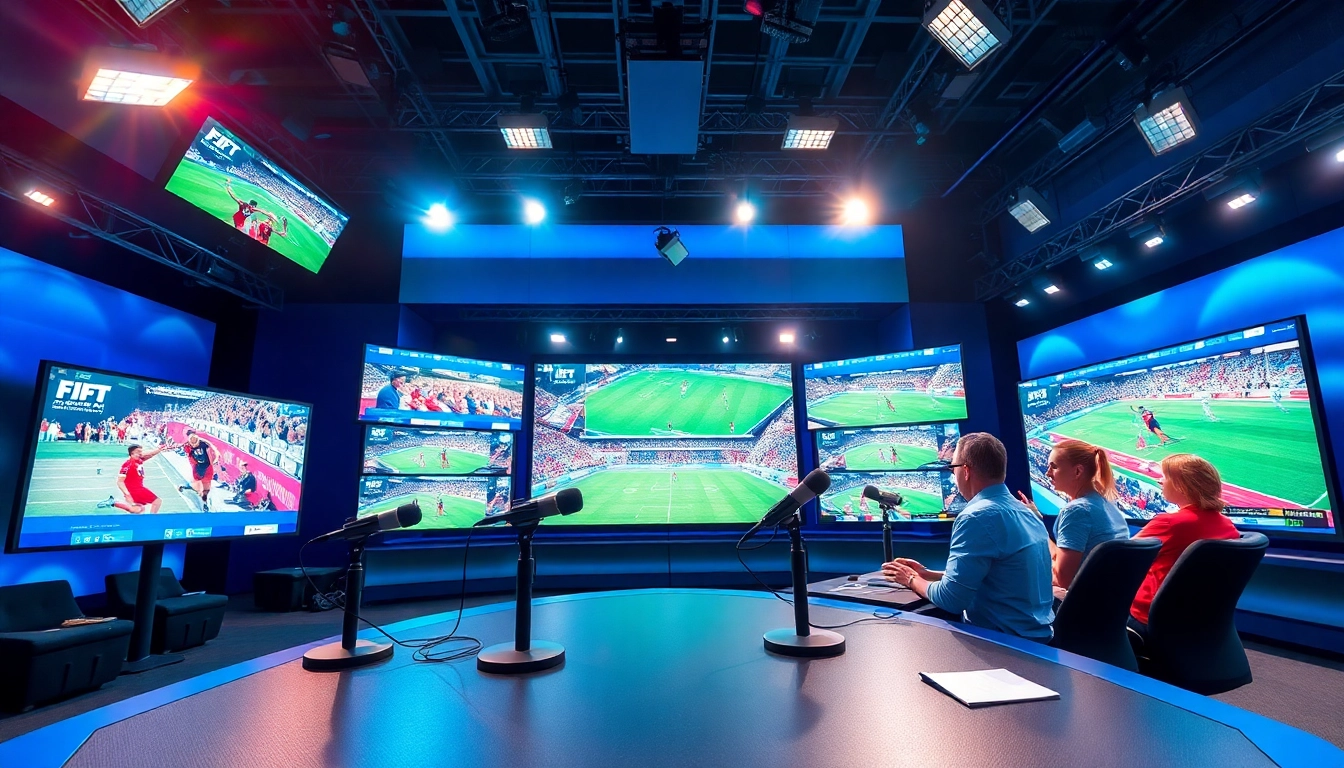
Introduction to Sports Broadcasting
Sports broadcasting has revolutionized how audiences connect with their favorite sports, transforming everything from fan engagement to media consumption. As a key player in the entertainment industry, Sports Broadcasting plays a crucial role, offering thrilling experiences that captivate millions. This article explores the vast landscape of sports broadcasting, breaking down its operations, the intricacies of content creation, and the evolving technologies shaping its future.
What is Sports Broadcasting?
Sports broadcasting encompasses the distribution of live sports events via television, radio, and digital platforms, allowing fans to enjoy games in real-time or through recorded formats. It covers a broad spectrum of sports, including football, basketball, baseball, soccer, and more, and it has grown to include eSports and niche events. Broadcasting plays a pivotal role in shaping how sports are viewed worldwide, serving as the bridge between athletes and millions of fans.
Importance of Sports Broadcasting
The significance of sports broadcasting extends beyond mere entertainment. It serves economic, social, and cultural functions. For teams and leagues, broadcasting rights are a primary revenue stream, while sponsorship and advertising associated with programs further boost financial returns. Socially, broadcasting fosters community spirit and camaraderie among fans, bolstering local pride in teams. Culturally, it allows diverse audiences to connect over shared experiences, building a broader appreciation for various sports.
Historical Overview of Sports Broadcasting
The evolution of sports broadcasting began in the late 1920s, primarily with radio coverage of sports events. The first live sports broadcast aired in 1921, featuring a boxing match. Television further revolutionized sports media in the 1950s, bringing games directly into viewers’ homes. Over the decades, advances in satellite technology and the Internet have reshaped viewing habits, introducing options like cable channels, streaming services, and social media broadcasts. Each development has enabled broader access, creating the global sports culture we know today.
Key Components of Sports Broadcasting
Types of Sports Broadcasting
Sports broadcasting can be classified into various types, including traditional television broadcasting, online streaming, radio broadcasts, and social media coverage. Each format serves different audience needs:
- Traditional Broadcasting: Utilizes over-the-air networks, cable, and satellite channels, primarily targeting viewers at home.
- Online Streaming: Enables viewers to watch sports on-demand or live through services like ESPN+, Amazon Prime Video, or specialized apps.
- Radio Broadcasting: Offers audio commentary of live events, allowing fans to stay connected while on the go.
- Social Media Coverage: Engages fans through platforms such as Twitter, Instagram, and Facebook, featuring highlights, behind-the-scenes content, and real-time updates.
The Role of Technology
Technology plays an integral role in sports broadcasting, affecting production, delivery, and viewer experience. Innovations such as high-definition (HD) and 4K broadcasting, augmented reality (AR), and virtual reality (VR) have made viewing more immersive. Data analytics provide broadcasters with insights into audience preferences and behavior, allowing for tailored content delivery. Additionally, advancements in mobile technology make it easier for fans to access events and highlights anytime, anywhere, facilitating a shift towards a more personalized viewing experience.
Understanding Broadcast Rights
Broadcast rights refer to the authorization a network or service provider receives to air a sports event. Negotiating these rights is a complex process involving high-stakes contracts and significant financial investment. Rights can vary by region and market, driving competition among broadcasters for premium events. The revenue generated through these rights often funds teams and leagues, underscoring their importance. Understanding the market dynamics surrounding broadcast rights is crucial for stakeholders looking to maximize investment returns and audience reach.
Creating Compelling Sports Content
Engaging Storytelling Techniques
Effective storytelling is at the heart of compelling sports broadcasting. Successful narratives can elevate even the simplest game to a memorable event. Techniques such as character development, human interest pieces, and historical context help create a deeper emotional connection with the audience. For instance, focusing on athletes’ backgrounds or team rivalries can enhance viewer investment. Additionally, using data and statistics can strengthen narratives, providing context that enhances storytelling quality and engagement.
Utilizing Visual and Audio Elements
Visual and audio elements are crucial in sports broadcasting, as they significantly impact the viewer’s experience. High-quality visuals, from camera angles to graphics, enhance the excitement of live events. Audio commentary should be engaging yet informative, providing both enthusiasm and insightful analysis. Incorporating sound effects, such as crowd noise and instant replays, can further immerse viewers. Together, these elements create a rich sensory environment that retains audience attention and deepens enjoyment.
Leveraging Social Media for Broader Reach
Social media platforms have become indispensable tools for sports broadcasting. Networks and teams leverage these platforms to engage fans, share highlights, and promote upcoming events. Content creators can utilize platforms like Twitter for real-time updates and Facebook for deeper interactions. Hashtags, fan polls, and live chats create a vibrant community around events, encouraging fan participation and dialogue. By actively engaging on social media, broadcasters can expand their reach and foster a dedicated viewer base, increasing overall engagement.
Challenges in Sports Broadcasting
Addressing Audience Expectations
With increased options and competition, audience expectations continue to rise. Fans demand high-quality production, immediate accessibility, and interactive elements that enhance their viewing experience. Addressing these expectations requires constant innovation from broadcasters, who must stay ahead of trends while delivering consistently high standards of quality. Failure to meet these expectations can result in viewer attrition, making it essential for broadcasters to prioritize audience feedback and adapt to changing preferences.
Managing Live Event Complexities
Live event broadcasting presents unique challenges ranging from logistics to technical difficulties. Coordinating various elements—camera positioning, audio quality, and talent management—requires precise planning and execution. Each live broadcast is subject to unpredictable variables, such as changing weather conditions or unexpected player actions. To mitigate these challenges, broadcasters need comprehensive contingency plans and flexible production teams that can adapt quickly to emerging situations, ensuring a seamless viewing experience for fans.
Navigating Legal and Ethical Issues
Sports broadcasting is rife with legal and ethical considerations, including copyright issues, broadcast rights disputes, and the implications of live coverage on athletes’ privacy. Broadcasters need to stay informed about relevant laws and maintain transparency in their operations. Additionally, ethical broadcasting practices ensure fair representation of events and athletes, avoiding sensationalism and maintaining trust with audiences. By upholding ethical standards, broadcasters can enhance their credibility and foster long-term viewer loyalty.
Future Trends in Sports Broadcasting
Emerging Technologies Impacting Sports Broadcasting
Emerging technologies continue to reshape the landscape of sports broadcasting. Innovations such as artificial intelligence (AI) and machine learning are being adapted for analyzing viewer data and optimizing content delivery. Blockchain technology offers enhanced security for transactions related to digital rights management and can potentially streamline broadcasting processes. As these technologies evolve, they will create new opportunities for engagement, analysis, and fan interaction, significantly transforming the viewing experience.
The Rise of Online Streaming
The shift towards online streaming continues to gain momentum, with more viewers opting for digital services over traditional cable subscriptions. This trend is driven by the convenience, flexibility, and personalized viewing options that streaming platforms offer. Sports leagues and broadcasters are adapting by investing in their own streaming services, providing exclusive content to capture audience interest. This rise of online streaming is reshaping the economics of sports broadcasting, encouraging innovation in content creation and distribution strategies.
Enhancing Viewer Experience through Data Analytics
Data analytics are becoming increasingly vital in enhancing viewer experiences in sports broadcasting. Broadcasters are leveraging data to understand audience preferences, tailoring content to suit demographic interests. Furthermore, analytics provide insights into game statistics and player performance, enriching commentary. By harnessing data effectively, sports broadcasters can create more targeted advertising solutions, improve viewer engagement, and refine overall content strategies, ultimately leading to higher satisfaction and loyalty among fans.
Frequently Asked Questions
What career opportunities exist in sports broadcasting?
Career opportunities in sports broadcasting range from on-air talent and reporters to production crew roles and analysts. Positions include sports journalists, producers, camera operators, editors, and digital content creators.
How has technology changed sports broadcasting?
Technology has advanced sports broadcasting by enhancing production quality, introducing real-time data analytics, and enabling streaming services, allowing fans to access content anytime, anywhere, and on multiple devices.
What is the significance of broadcast rights?
Broadcast rights are crucial as they determine which networks can air specific events. They create significant revenue streams for leagues and teams, impacting financial decisions and the overall market dynamics.
What challenges do sports broadcasters face today?
Sports broadcasters face challenges such as meeting audience expectations, managing live event complexities, dealing with legal issues, and adapting to rapid technological advancements while retaining viewer engagement.
How can social media enhance sports broadcasting?
Social media enhances sports broadcasting by enabling real-time interaction, expanding audience reach, and providing platforms for sharing highlights, analyses, and fan engagement, creating a lively community around sports events.